
The Quick Read
This vibe is about faith you can witness and take part in, not ruins you photograph. Across the region, Buddhism and Hinduism are living daily practice: monks collecting alms at dawn, incense and offerings on every street corner, temple festivals that shut down whole towns. Bali is the spiritual capital, a Hindu island where ceremony runs through daily life. Chiang Mai and Bangkok center Thai Buddhism, with hundreds of working temples and meditation you can join. Luang Prabang in Laos holds the famous dawn almsgiving, and Yangon's golden Shwedagon is one of Buddhism's holiest sites. This guide ranks where the living spiritual culture is richest, and how to engage with it respectfully rather than as a spectacle.
Why Southeast Asia Delivers This
Religion is woven into everyday life here in a way that has faded in much of the world. Theravada Buddhism shapes Thailand, Laos, Cambodia, and Myanmar, where monks are a constant presence and temples function as community centers. Bali is a Hindu island in a Muslim country, its calendar full of ceremonies, its homes and shops marked daily with woven palm offerings. Malaysia and Singapore layer Hindu, Buddhist, Taoist, and Muslim worship in the same streets. For a traveler, this means the spiritual experience is woven into daily life, happening around you every day in a way you can quietly join.
The range runs from gentle observation to deep immersion. You can watch the dawn almsgiving in Luang Prabang, chat with young monks practicing English in Chiang Mai, receive a water blessing at a Balinese spring, or sit a multi-day silent meditation retreat at a forest monastery. Many temples welcome respectful visitors and offer instruction in English, and the cost of all of it is low. It is the region's most meaningful cultural vibe for travelers who want connection rather than just sightseeing.
The honest framing is that sacred culture and mass tourism sit uneasily together. The Luang Prabang almsgiving in particular has been damaged by tourists who crowd, photograph with flash, and buy low-quality rice to join in, turning a solemn ritual into a circus. Temple dress codes and customs are not optional, and a few sites attract scams. The rankings reward depth and authenticity, and every entry assumes you come as a respectful guest.
What sets this apart from temple sightseeing is participation. You are welcome to kneel and light incense, to receive a blessing, to sit with monks in meditation, and the locals around you are not performing for visitors but practicing a faith that orders their days. Approached with humility, it offers something rare in travel: a genuine, unforced encounter with how other people understand the world.
Where to Go
Bali, Indonesia: the spiritual island
Bali is where faith is most visible in daily life. Hinduism here is its own Balinese form, and the island runs on ceremony: daily offerings on every doorstep, temple anniversaries, cremations, and processions in white and gold. The sea temples of Tanah Lot and Uluwatu, the mother temple of Besakih on the slopes of Agung, and the holy springs of Tirta Empul, where you can take a purification bath, are the headline sites, but the real experience is the constant rhythm of ritual around you, especially around Ubud. Nyepi, the island-wide day of silence, is unlike anything else in the region.
Chiang Mai and Bangkok, Thailand: the heart of Thai Buddhism
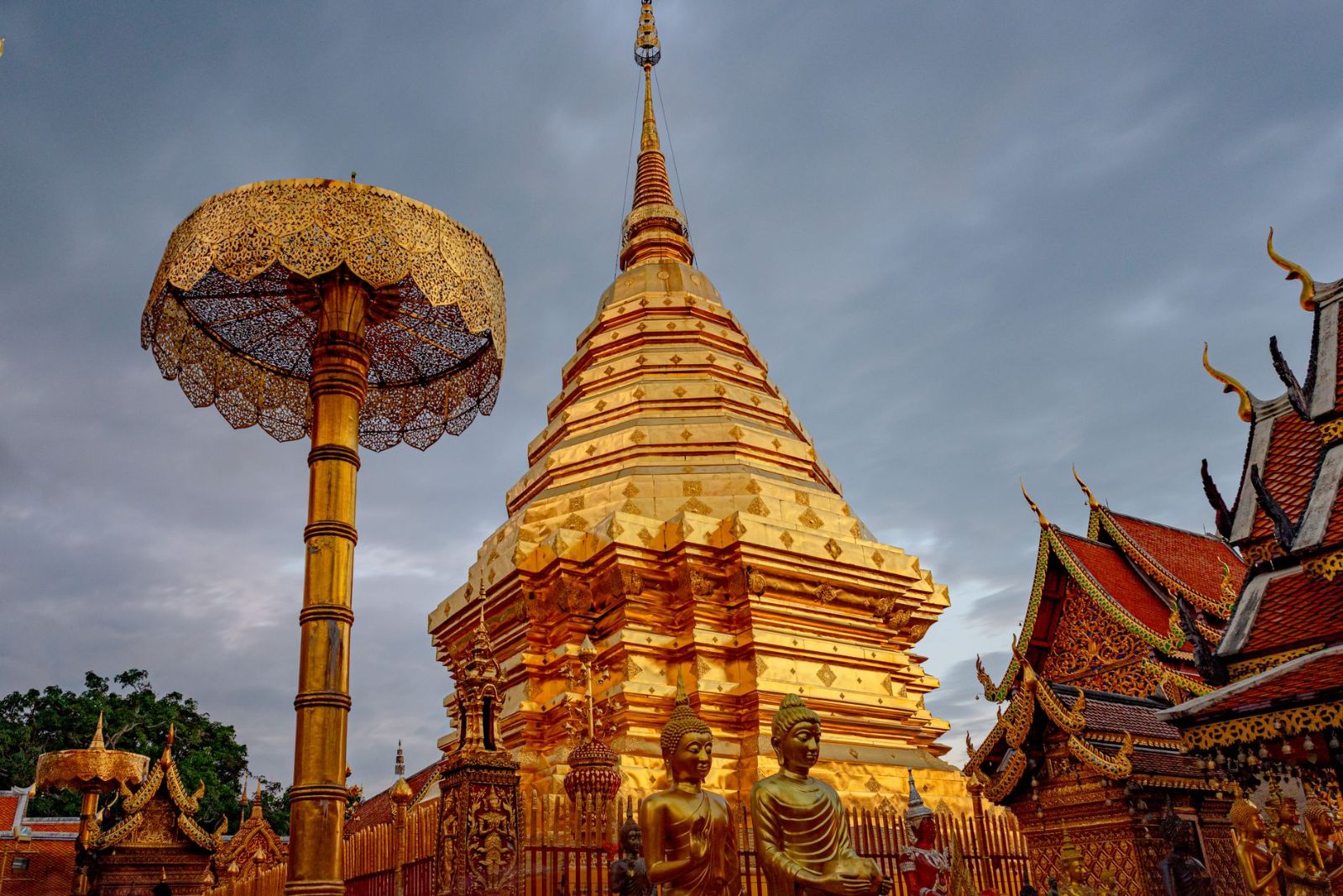
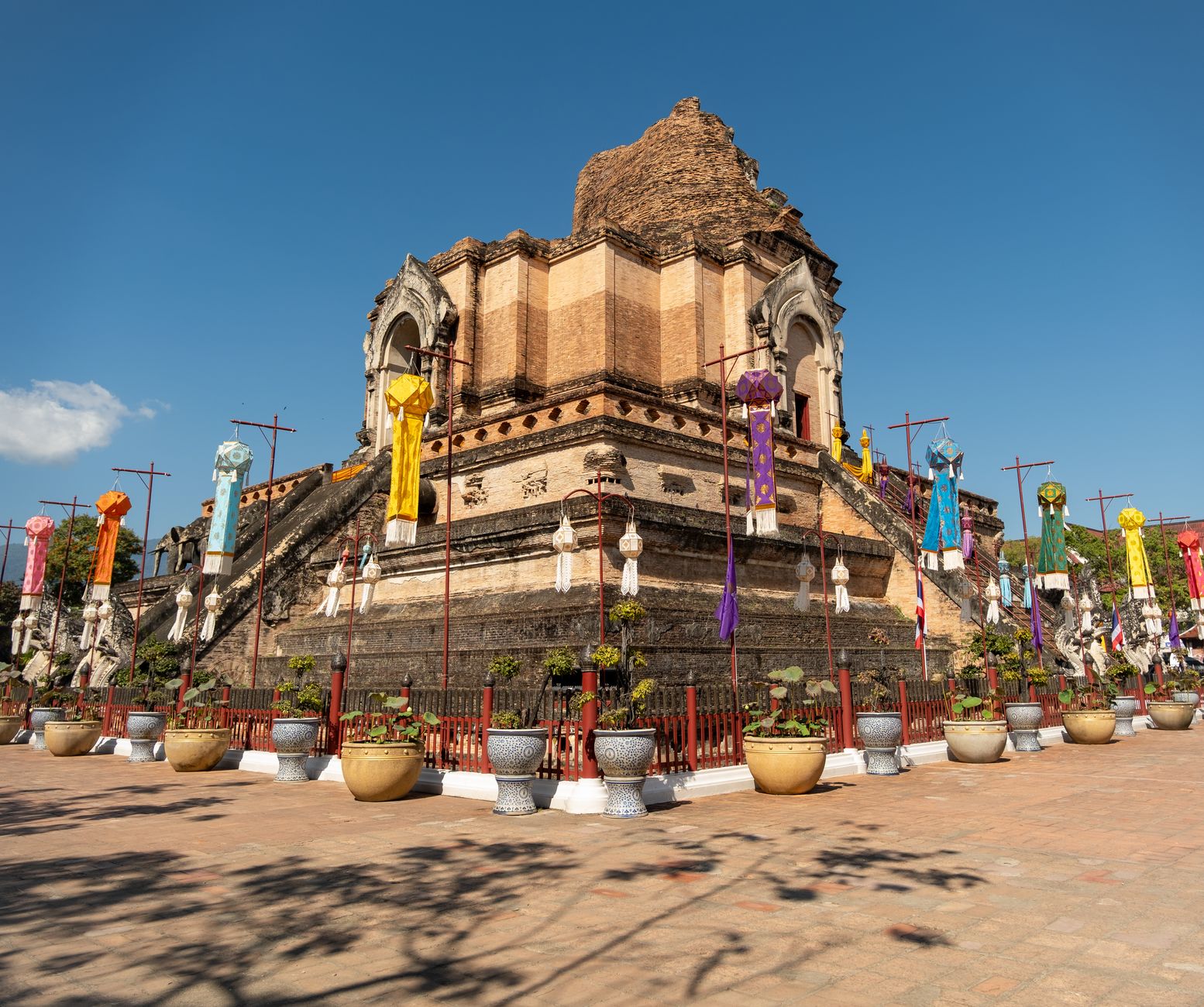
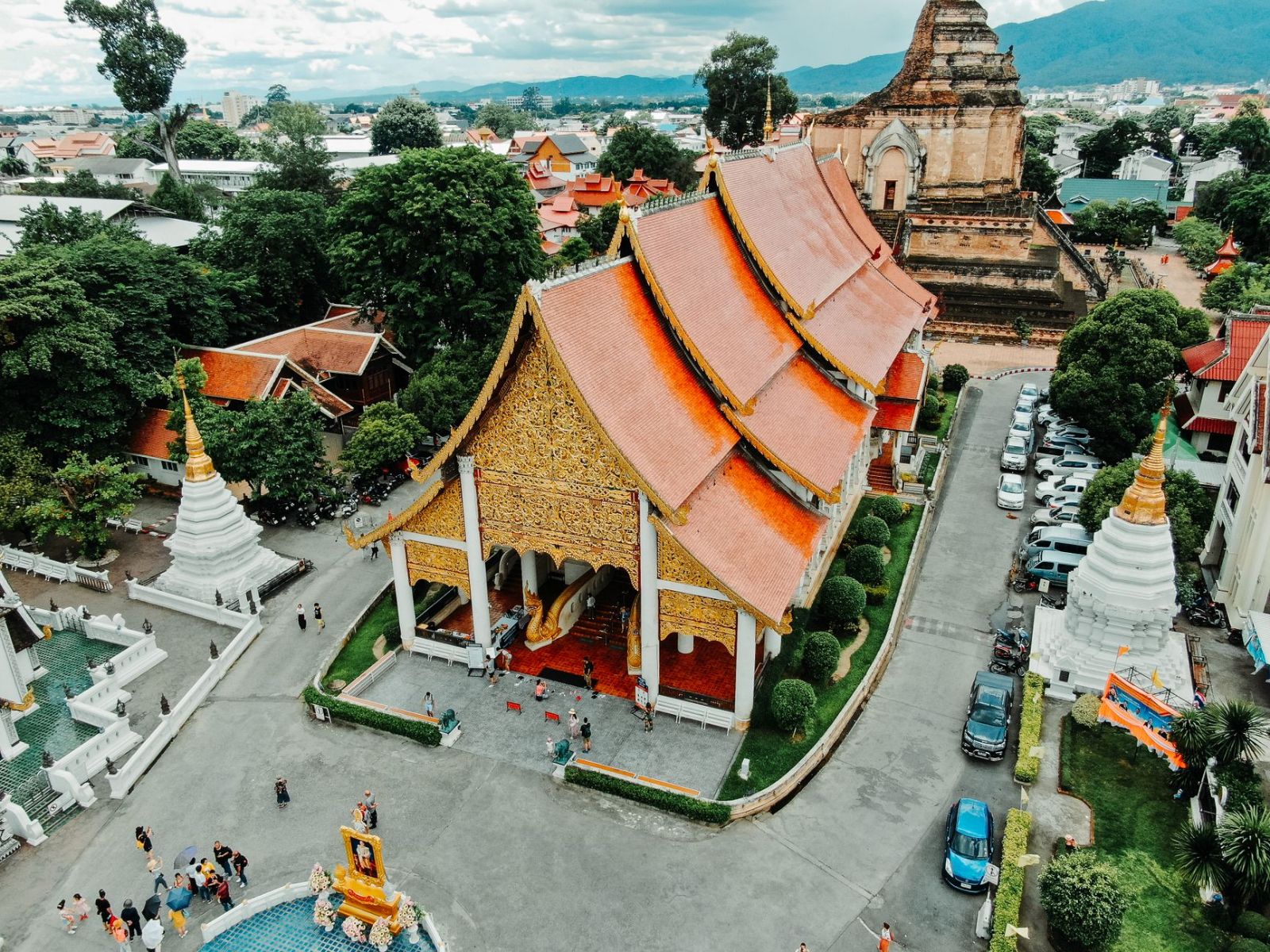
Thailand offers the most accessible living Buddhism. Chiang Mai has hundreds of working wats, the mountaintop temple of Doi Suthep, monk-chat programs where you can talk with novices, and respected meditation retreats at forest monasteries. Bangkok counters with grand urban temples in daily use: the reclining Buddha at Wat Pho, riverside Wat Arun, and the Emerald Buddha at the Grand Palace. Both cities let you go as deep as you want, from a quiet hour in a temple to a ten-day silent retreat.
Luang Prabang, Laos: the almsgiving town
Luang Prabang is the most atmospheric Buddhist town in the region, a UNESCO-listed place of 33 temples where saffron-robed monks still shape daily life. Before dawn, hundreds of monks walk the streets in silence to collect alms, the Tak Bat, a centuries-old ritual that remains moving when witnessed respectfully and from a distance. The town's slow, devout calm has made it a spiritual and wellness destination in its own right.
Yangon and Mandalay, Myanmar
Myanmar holds some of Buddhism's most sacred sites. Yangon's Shwedagon Pagoda, a vast gold stupa crowned with diamonds and ringed by worshippers, is overwhelming at dusk when the gold catches the last light. Mandalay adds the revered Mahamuni Buddha and a landscape of monasteries. Both reward the traveler who follows the wider guidance on visiting Myanmar.
Malaysia and Vietnam: the multi-faith layers
Near Kuala Lumpur, the Batu Caves combine a limestone cavern with a towering Hindu shrine and the dramatic Thaipusam festival, while the city layers mosques and Chinese temples alongside. Penang's hillside Kek Lok Si is one of the largest Buddhist temples in the region. In Vietnam, the imperial city of Hue centers Thien Mu Pagoda and a gentler Mahayana Buddhist tradition.
When to Go
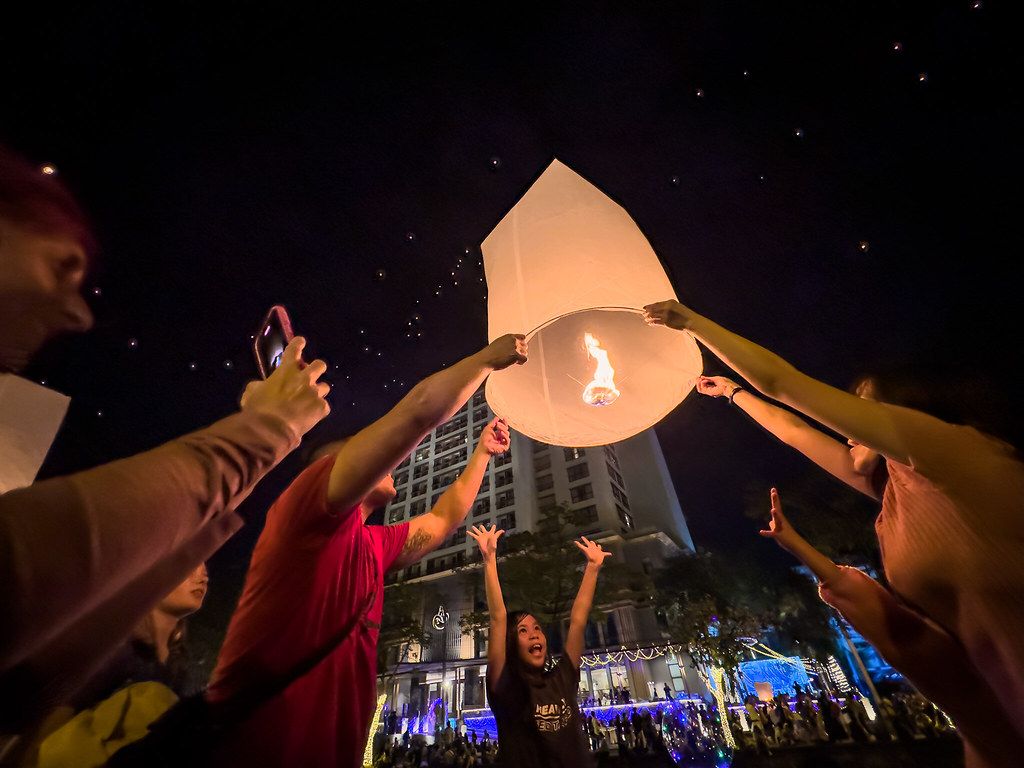
Living temples are open year-round, so timing is about comfort and the festival calendar. The mainland Buddhist countries, Thailand, Laos, and Myanmar, are most pleasant in the cool, dry season from November to February, which is also when many temple festivals fall. Crucially, avoid northern Thailand's March-to-April burning season. Bali's temples are active all year, with the dry months of April to October easiest for travel and the dramatic Nyepi silence falling in March. Some of the most powerful experiences are tied to specific dates, the Shwedagon festival in March, Vesak at Borobudur in May, Thaipusam at Batu Caves in January or February, so check the religious calendar if a particular ceremony is the goal. Dawn is the best time of day at almost every site, for both light and devotion.
What to Watch Out For
Respect is the entire point. Cover shoulders and knees, remove shoes where required, never point your feet at a Buddha image, and in Thailand know that women should not touch monks. Lower your voice, do not climb on shrines, and treat every site as the active place of worship it is. A sarong and a scarf in your bag solve most dress-code problems.
The almsgiving deserves special care. In Luang Prabang, watch from across the street, do not use flash, keep your distance, and do not buy rice from hawkers to take part unless you understand the ritual, since tourist behavior has genuinely degraded it. The most respectful thing many visitors can do is observe quietly and not insert themselves at all.
Mind the practical traps. A common Bangkok scam involves a friendly stranger claiming a temple is closed and steering you to a gem shop, so trust official entrances and posted hours. Meditation retreats are a real commitment, often silent and physically demanding, so understand what you are signing up for, and remember that visiting Myanmar requires following current travel guidance.
Who This Is (and Isn't) For
This vibe is for travelers who want cultural depth and a sense of the sacred, from those content to observe a ceremony quietly to those ready to sit a silent retreat. It suits the curious and the reflective, pairs naturally with the ancient-temple, heritage, and wellness vibes, and rewards anyone willing to slow down and engage respectfully.
It is a weaker fit for travelers who want only beaches and nightlife, who are uncomfortable covering up or following religious custom, or who treat sacred sites as backdrops for photos. If you want the monuments as history rather than living faith, the ancient-temples vibe is the better match.