
The Quick Read
The six cities here are close enough to share a shopping basket and far enough apart to cook differently with it. Istanbul has the largest and most layered food culture of the group, built on Ottoman court cooking, Anatolian regional traditions and the Greek, Armenian and Jewish kitchens that were part of the city for centuries. Thessaloniki is the food capital of Greece and most Greeks will say so, its cooking shaped by refugees from Asia Minor after 1922. Athens has the range and the markets. Crete has the diet that gave the Mediterranean diet its name and its evidence base. Santorini has the volcanic soil that produces small, intense tomatoes and capers. Larnaca has the Cypriot version, with halloumi and the meze.
Why the Mediterranean Delivers This
A shared climate, a shared set of crops, and a history of populations moving around the same sea for three thousand years.
The agricultural base is the constant. Olive, wheat, grape and pulse grow across the whole basin, and the climate, wet mild winters and hot dry summers, suits all four. That combination produced a way of eating that is old, consistent and largely vegetable-based, with meat as an occasional item and fish where the coast allows. What varies is the seasoning, the technique and the outside influence.
Crete is where that got measured. The Seven Countries Study, begun in the 1950s by Ancel Keys, examined diet and heart disease across several populations, and the Cretan cohort showed remarkably low rates of cardiovascular disease despite a high fat intake, nearly all of it olive oil. That finding is the origin of the term Mediterranean diet, and the food it described is Cretan village cooking: wild greens, pulses, barley rusks, olive oil in quantity, cheese, small amounts of meat and a lot of vegetables. Crete still eats this way in its villages, and the horta, the wild greens gathered from the hillsides, are a genuine part of the diet rather than a restaurant flourish.
Thessaloniki's food is the product of a population exchange. After the Greco-Turkish War and the 1923 treaty, well over a million Orthodox Christians moved from Anatolia to Greece and around half a million Muslims moved the other way. Thessaloniki received an enormous number of the arrivals, who brought Anatolian cooking with them: the spicing, the bougatsa, the soutzoukakia, the peppers and the general influence that separates northern Greek food from southern. The city had also been substantially Sephardic Jewish for four centuries before the Holocaust, and that kitchen left traces too. The result is that Thessaloniki cooks with more spice, more heat and more variety than Athens, and Greeks travel there to eat.
Istanbul is the deepest of them. Ottoman palace cuisine developed at Topkapi over centuries with hundreds of cooks and a formalised repertoire, and it drew from Anatolia, the Balkans, the Levant, Persia and the Caucasus. Below the court, the city held Greek, Armenian and Jewish communities with their own restaurant traditions, and the meyhane, the tavern serving meze with raki, is a direct inheritance from them. Regional Anatolian cooking arrived with twentieth-century migration: Gaziantep for kebab and baklava, the Black Sea for anchovy and cornbread, the southeast for spice.
Santorini's contribution is agricultural and specific. The island is volcanic, has almost no rainfall and no fresh water, and its vines are trained in low baskets on the ground to catch the sea mist. The soil produces a very small, intensely flavoured tomato, white aubergine, fava made from a local split pea, and capers. Assyrtiko, the white grape, produces a mineral wine that is unlike anything else in Greece.
Cyprus sits between Greek and Levantine. Halloumi, the squeaking grilling cheese, is the export, but the meze culture, the kleftiko lamb cooked in a sealed oven, the souvla and the commandaria dessert wine are the local shape of it.
Prices are low in Greece and Turkey and moderate in Cyprus.
Where to Go
Istanbul
The meyhane, the taverns serving cold and hot meze with raki, which is the city's evening institution and comes from its Greek and Armenian past. The Spice Bazaar and the Kadikoy market on the Asian side, which is the better one. Balik ekmek, the grilled fish sandwich, from the Eminonu waterfront. Regional Anatolian restaurants: Gaziantep for kebab and baklava, the Black Sea for hamsi. Ottoman palace dishes at the restaurants that specialise in them. Breakfast, which in Turkey is an enormous spread rather than a meal. And the Bosphorus fish restaurants.
Athens
The central market, Varvakios, for the meat, fish and the tavernas inside it. Psiri and Koukaki for the modern Greek restaurants. Souvlaki and gyros from the street, which is the national fast food. Wild greens, fava, and the vegetable dishes that make up most of the traditional repertoire. The islands' produce arriving daily. Greek wine, which has improved enormously and is still cheap. And the mezedopoleia, the small-plate places, which is how Athens eats out.
Thessaloniki
Bougatsa for breakfast, the filo pastry with semolina custard or cheese, which is a Thessaloniki institution. The Modiano and Kapani markets. Soutzoukakia, the spiced meatballs in tomato sauce, which came from Asia Minor. The ouzeri and tsipouradika, where small plates arrive with each round of spirits. Ladadika, the old warehouse district, for the restaurants. And the general Anatolian spicing that separates northern Greek cooking from the rest.
Heraklion
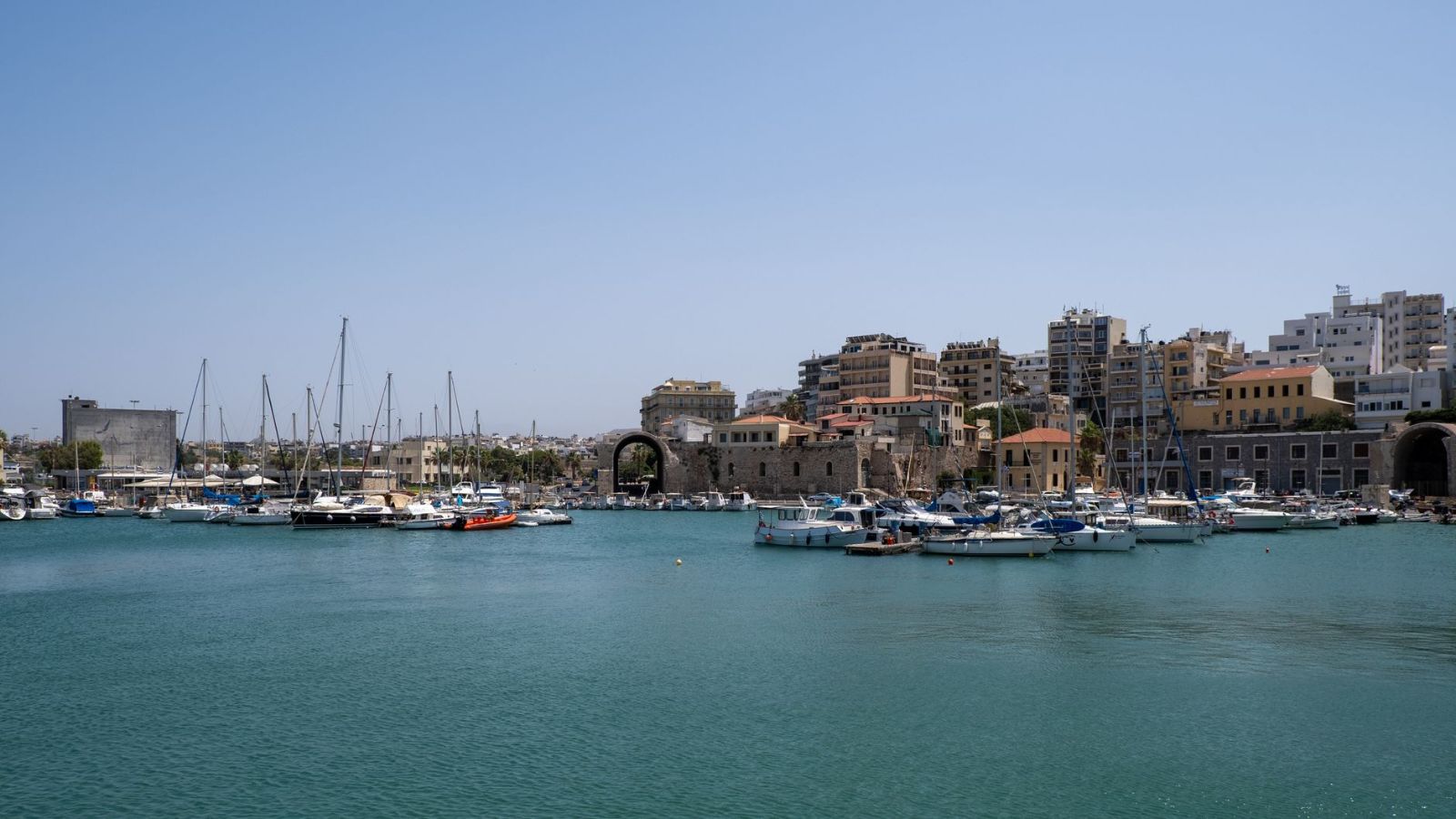
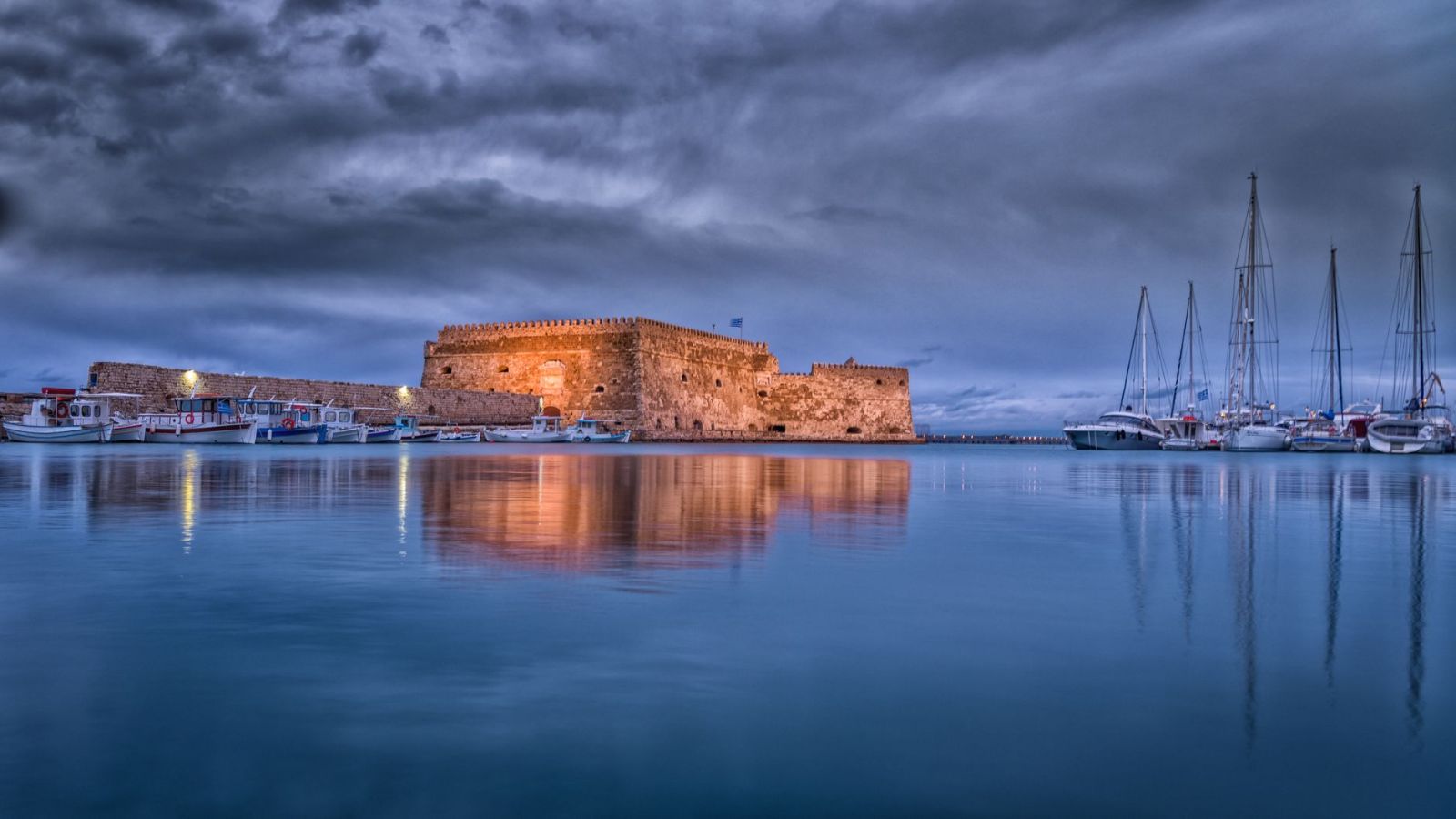
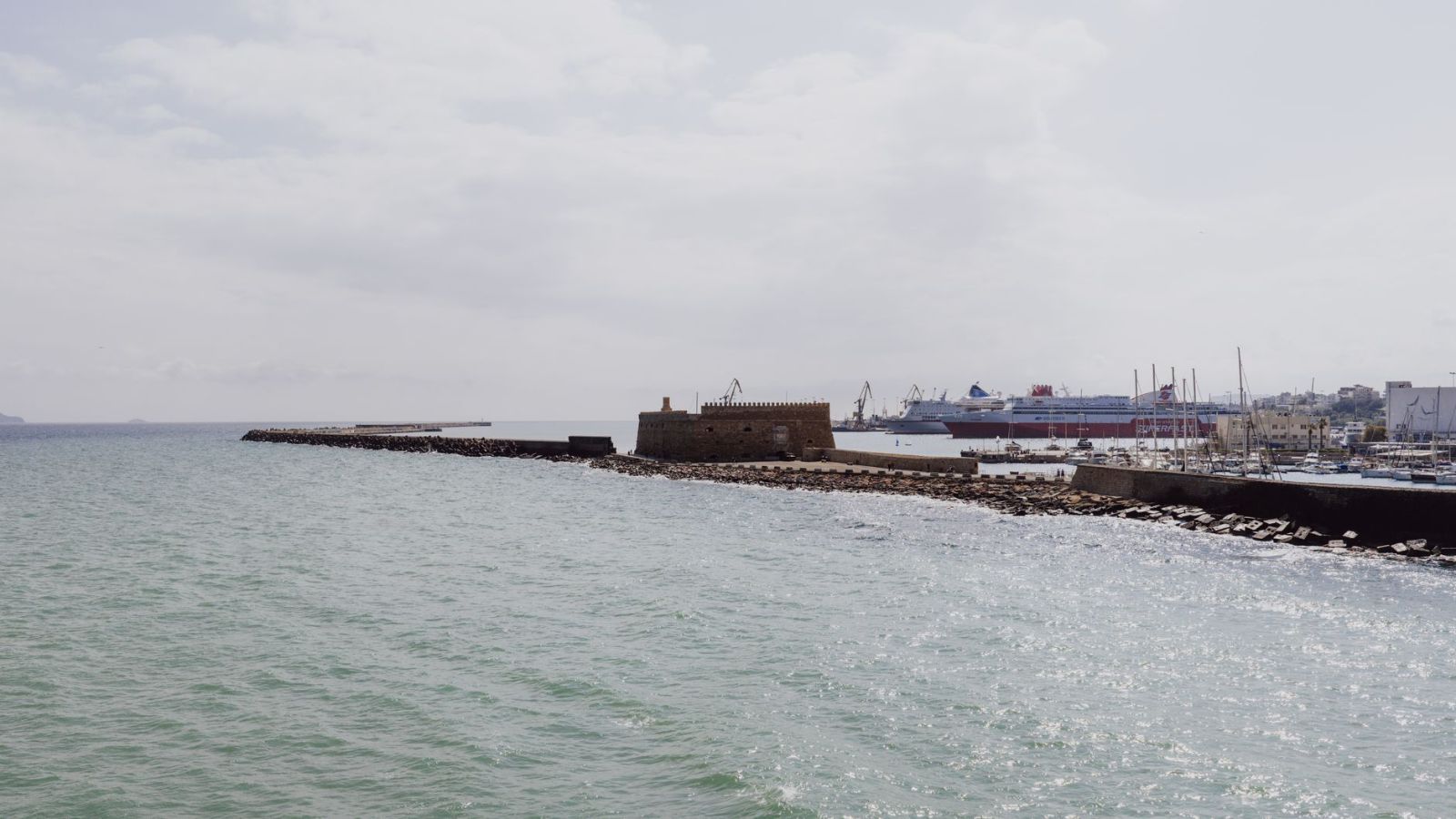
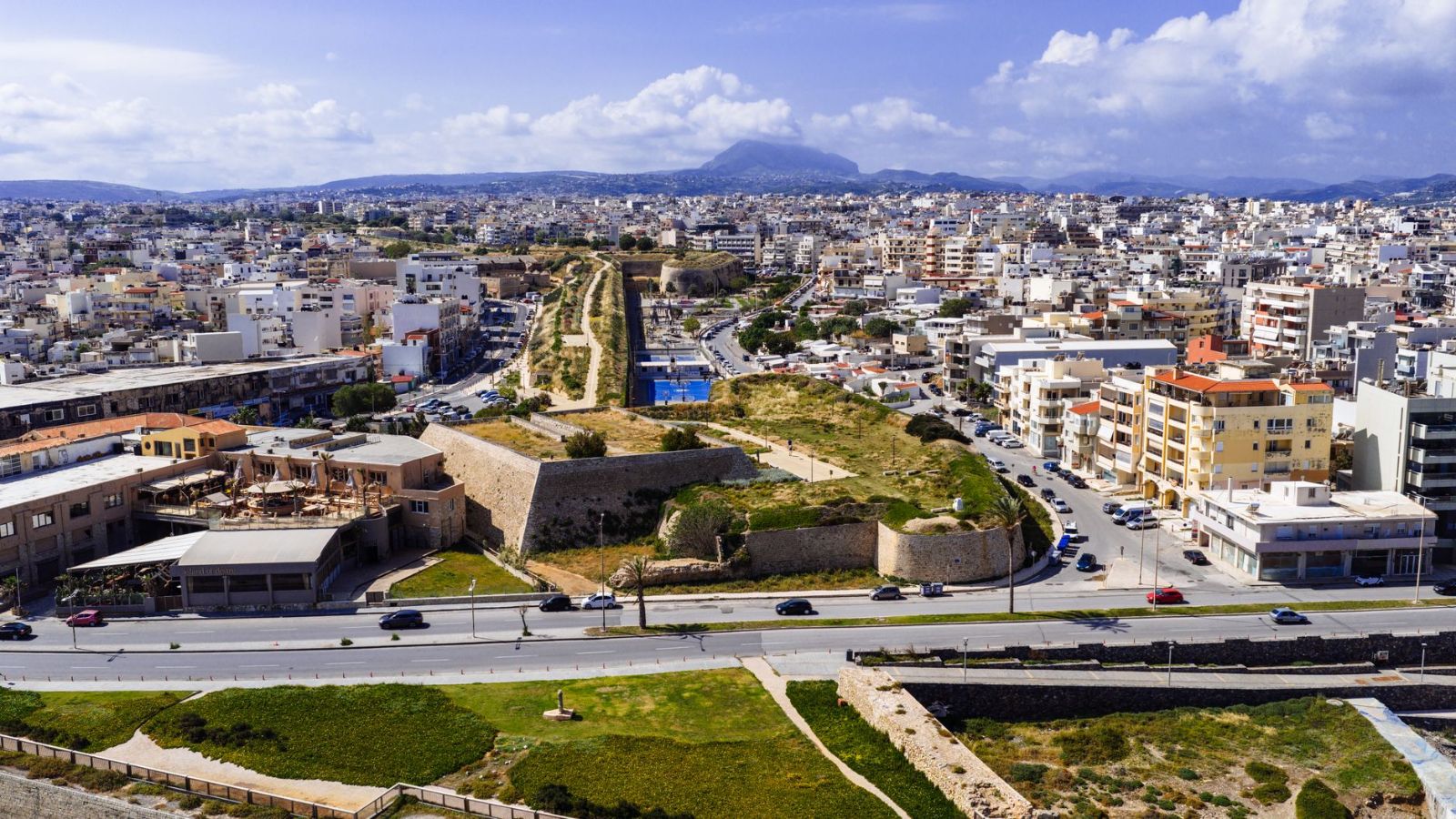
Cretan village cooking: wild greens, pulses, barley rusks with tomato and cheese, and olive oil in quantity. Raki, called tsikoudia here, which arrives free at the end of every meal. Local cheeses: graviera, mizithra and the fresh ones. The Heraklion market. Dakos, the rusk salad, which is the emblematic dish. Snails, which Crete eats seriously. And the mountain villages inland, where the cooking is better than in the resorts.
Santorini
The small intense tomatoes grown without irrigation, and tomatokeftedes, the fritters made from them. Fava, the split pea purée, which has protected designation status here. White aubergine, a local variety. Capers and caper leaves. Assyrtiko wine from the basket-trained vines, tasted at the wineries. And the cliff-edge restaurants, which charge for the view rather than the food.
Larnaca
Meze, which in Cyprus means a long sequence of small dishes rather than a starter. Halloumi, grilled rather than raw, which is how it is eaten locally. Kleftiko, lamb slow-cooked in a sealed clay oven. Souvla, the large-cut grilled meat. Village bread and the local olives. Commandaria, the sweet wine claimed as the oldest named wine still in production. And the tavernas in the villages inland rather than the seafront.
When to Go
Spring and autumn across the whole basin.
April to June is the best window: warm, everything open, the wild greens and spring vegetables at their peak, and the crowds not yet arrived.
September to October is the other good window: hot early, the grape and olive harvests happening, sea still warm and the islands emptying.
July and August are very hot across the region, above 35C regularly, and the islands are at their most crowded and expensive. Santorini in particular is difficult.
November to March is low season: mild on the coast, cool inland, many island businesses closed and prices at their lowest. Istanbul, Athens and Thessaloniki all work year-round.
Greek Orthodox Easter, which usually falls later than the Western date, is the biggest food event of the year and worth timing for.
Ramadan changes eating hours in Istanbul, with iftar meals after sunset being a genuine spectacle.
What to Watch Out For
Santorini and the other main islands close substantially from November to March, with many restaurants, hotels and ferry routes shutting entirely.
Cliff-edge restaurants in Santorini charge for the view. The food inland at Pyrgos, Megalochori and Emporio is better and cheaper.
Greek tavernas frequently bring dessert or raki free at the end; refusing it is unnecessary.
Ordering meze in Cyprus commits you to a long sequence of dishes, often fifteen or twenty, and it is a great deal of food.
Istanbul's tourist-facing restaurants in Sultanahmet are poor value. Kadikoy, Karakoy and Besiktas are where the eating is.
Restaurant touts on the streets of Istanbul and in Athens' Plaka are a sign to keep walking.
August closures are common in Athens and Thessaloniki as the cities empty for holidays.
Ferry schedules between the islands are seasonal and reduce sharply outside summer; a spring itinerary needs checking.
Who This Is (and Isn't) For
Travellers who want to understand what the Mediterranean diet actually is should eat in a Cretan mountain village, because the wild greens, barley rusks and olive oil that produced the research finding are still the everyday food there rather than a health-tourism product. Anyone in Greece for food should go to Thessaloniki over Athens, since Greeks themselves do.
Travellers who want the widest range in one city should take Istanbul, where Ottoman court cooking, Anatolian regional food and the old Greek and Armenian meyhane tradition all still operate. Anyone visiting the islands between November and March will find much of them shut. And visitors who book a Santorini table for the caldera view should understand they are buying the view, and that the villages inland cook better.