
The Quick Read
This is the vibe for the once-in-a-trip meal: the multi-hour tasting menu, the table you booked months ahead, the kitchen that defines what restaurants do next. Western Europe holds more of the world's top restaurants than anywhere, and the leaders are clear. Paris has the most three-star tables of any city and the deepest scene overall. Spain punches astonishingly hard: Barcelona, home of Disfrutar, named the World's Best Restaurant in 2024, San Sebastian with the most Michelin stars per capita on earth, and Madrid rising fast with DiverXO. Italy adds Modena's Osteria Francescana and the polish of Milan and Rome. This guide ranks where a fine-dining trip genuinely delivers, weighing the concentration and quality of top tables, how reachable they are, and the value, which at this level is always relative.
Why Western Europe Delivers This
The first reason is that this is where modern fine dining was reinvented, twice. France set the template for haute cuisine and still trains much of the world's talent. Then Spain rewrote the rules: Ferran Adria's elBulli on the Catalan coast turned cooking into a creative laboratory, and its alumni now run many of the best restaurants in the world, including Barcelona's Disfrutar, which topped the World's 50 Best list in 2024. That double legacy, French classicism and Spanish avant-garde, gives the region an unmatched depth of ambition.
The second reason is the raw ingredients and the regional cultures underneath. The Basque Country produces so many great restaurants partly because it has an obsessive food culture, superb seafood, and the open-fire grill tradition that made Asador Etxebarri, named the best restaurant in Europe in 2025, world-famous. Italy's three-star kitchens sit on top of the planet's best produce and a fierce regional pride. Fine dining here grows out of deep local food cultures, which is why the destinations that rank highest also rank high for markets and regional cuisine.
Third is reachability, since these restaurants are clustered in major, well-connected cities. Paris, Barcelona, Madrid, Milan, and Rome are all big international gateways, and even San Sebastian is a short hop or drive from Bilbao. The honest trade-offs, built into the rankings, are cost and access to the table itself. Value scores are low across the board because this is the most expensive way to eat, and the very best rooms book out months ahead, with the most remote, like the Basque country houses, requiring a real effort to reach.
Where to Go
Paris: the deepest scene
Paris has more three-Michelin-star restaurants than any other city and a fine-dining culture that runs from the grand palace dining rooms to a new generation of ambitious bistros. The breadth is the point: you can have a formal, classical, hugely expensive experience or a brilliant young chef's tasting menu at a fraction of the price, all in the same city, with the easiest access in Europe. For sheer choice at the top level, nowhere else comes close, which is why Paris leads.
Spain: Barcelona, San Sebastian, Madrid, Bilbao
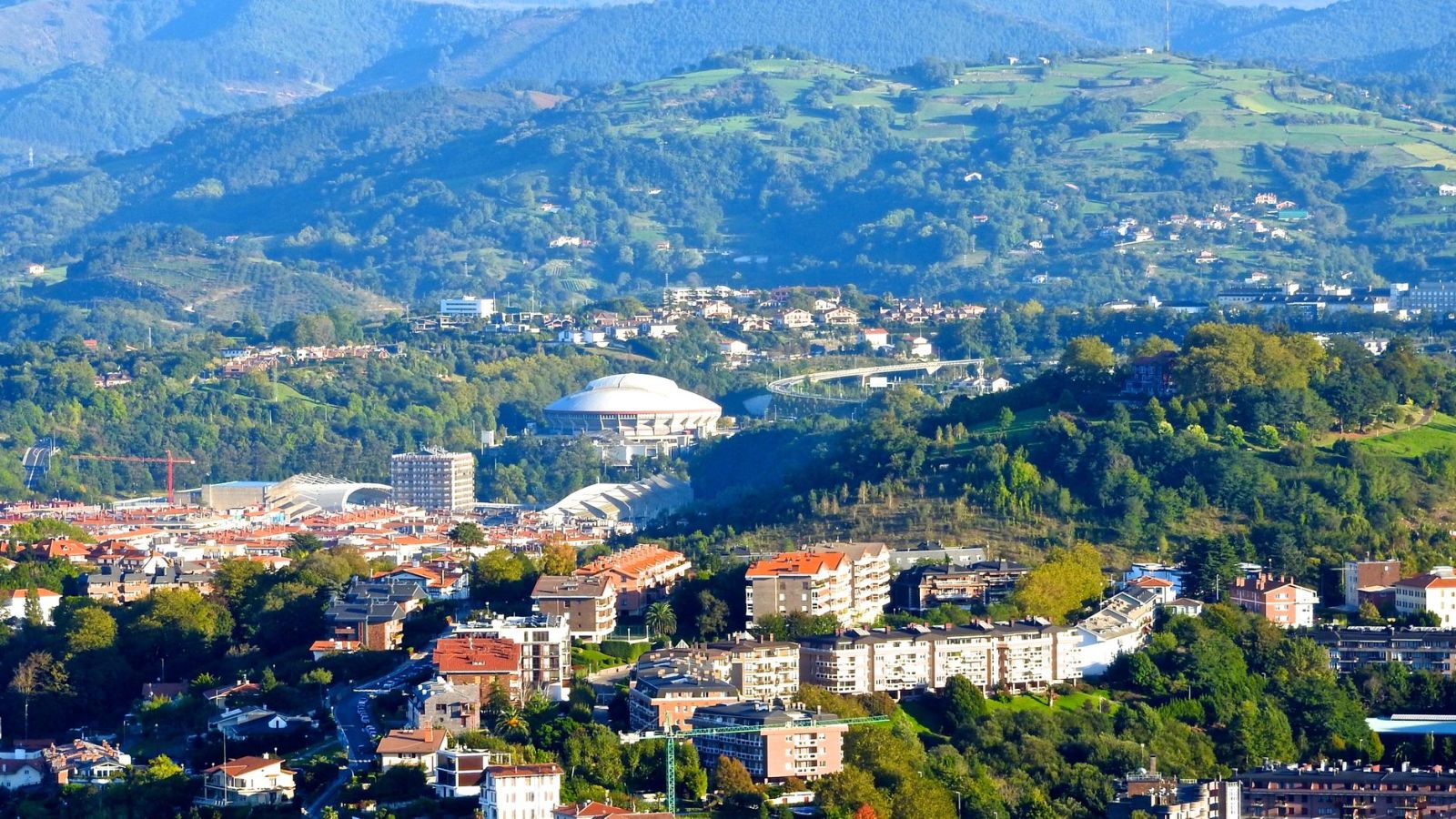
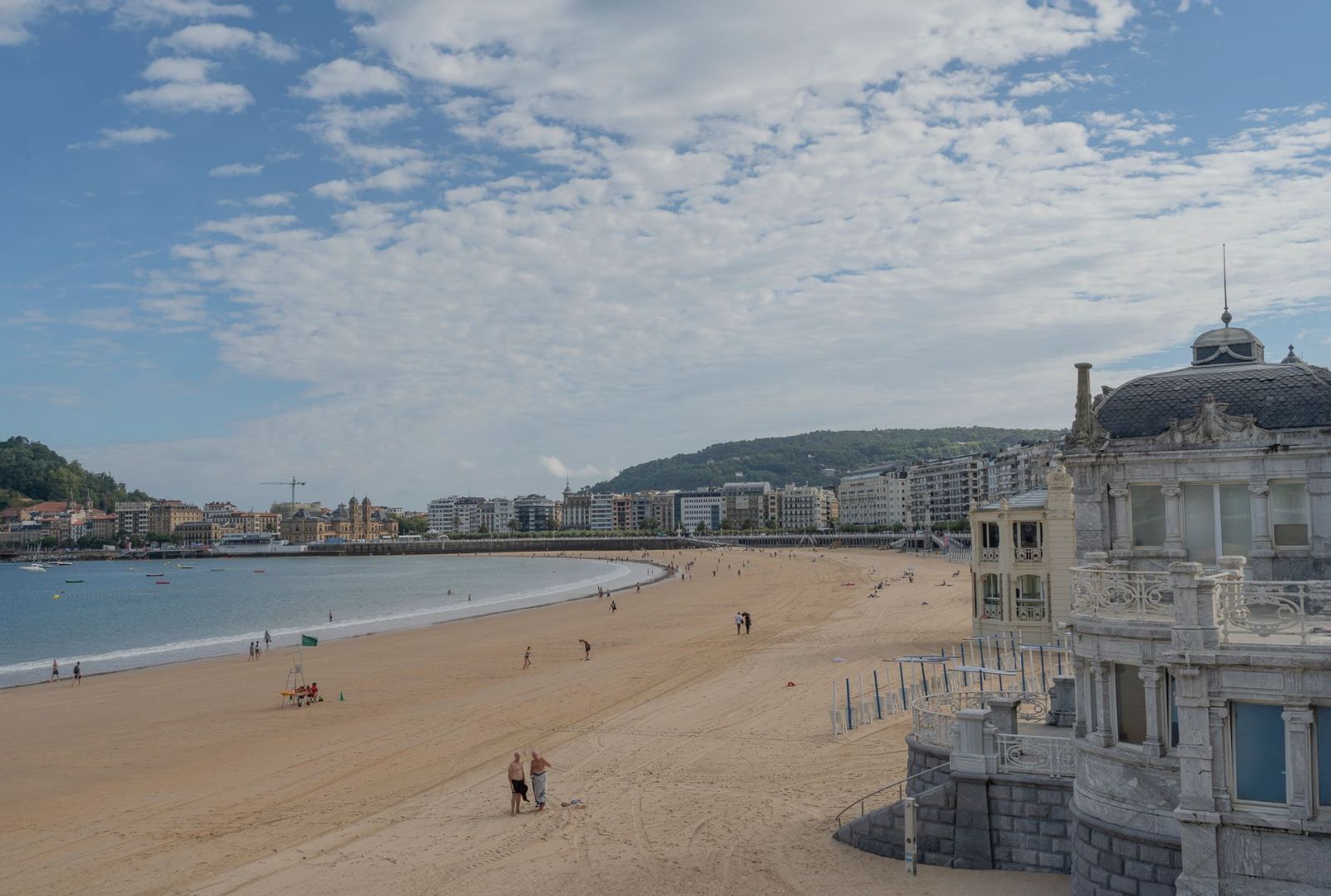
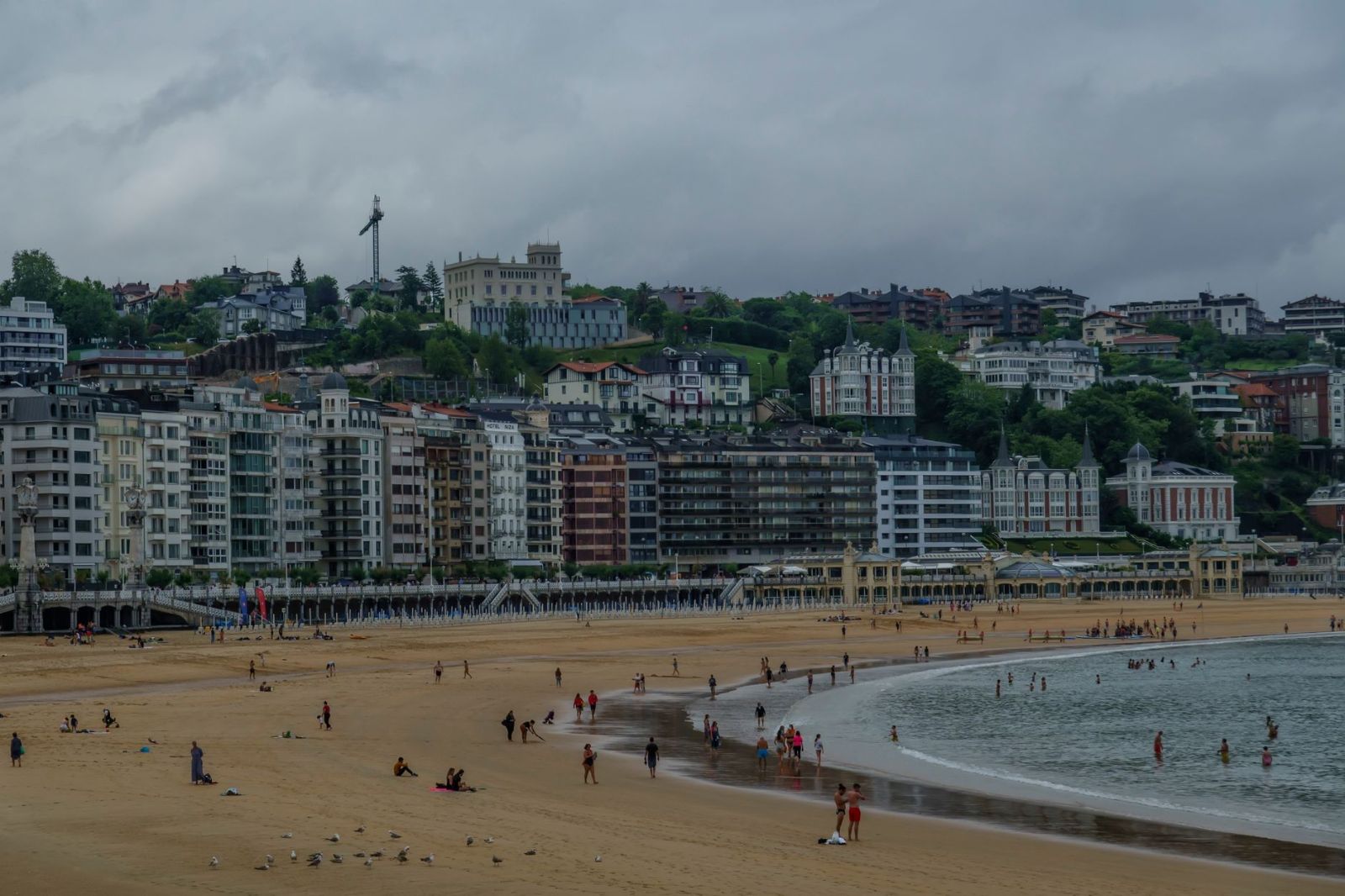
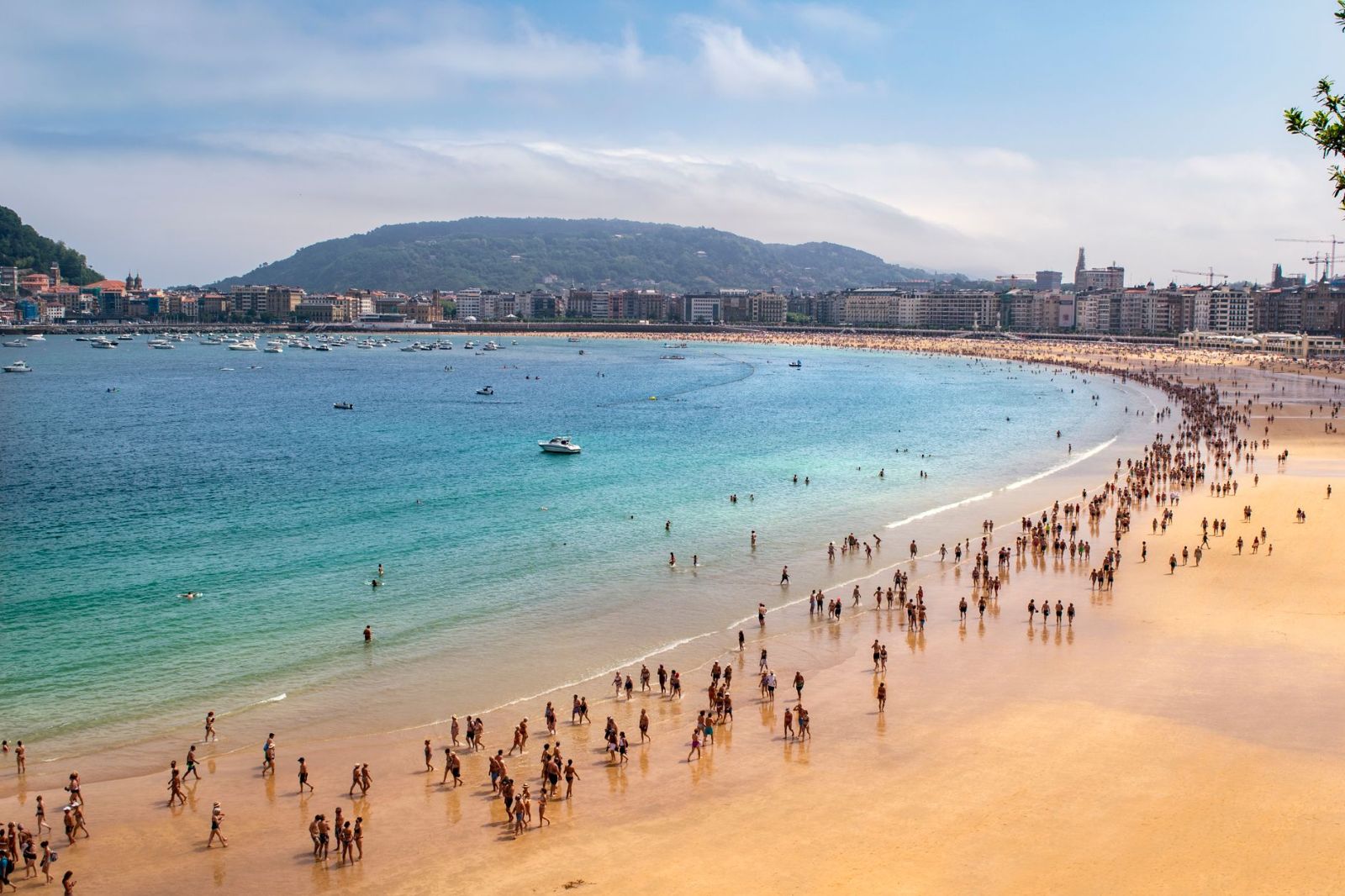
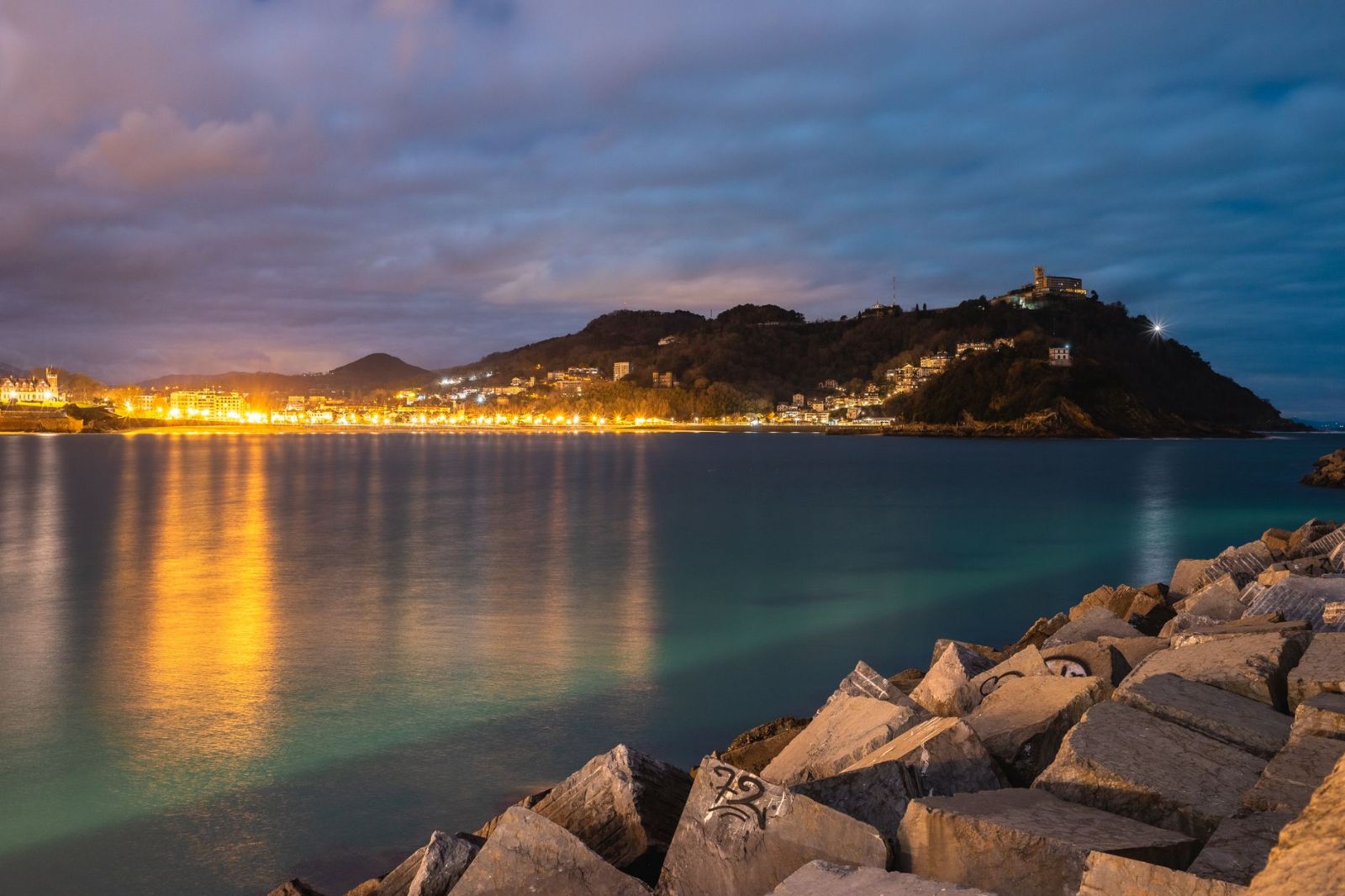
Spain is the most exciting fine-dining country in the world right now. Barcelona is home to Disfrutar, the elBulli-trained kitchen ranked the World's Best Restaurant in 2024, plus Enigma and Cocina Hermanos Torres. San Sebastian and the surrounding Basque Country hold the highest concentration of Michelin stars per capita anywhere, with the long-standing three-stars Arzak and Akelarre in the city and Etxebarri, Mugaritz, and Elkano within a short drive. Madrid has surged, led by the three-star DiverXO, and Bilbao adds Azurmendi. Spain combines world-leading creativity with, by fine-dining standards, relatively fair prices.
Italy: Modena, Milan, Rome, Florence
Italy's fine dining sits on its incomparable produce and regional traditions. Modena, in the Emilian food heartland, is home to Massimo Bottura's Osteria Francescana, twice ranked the World's Best Restaurant. Milan offers a polished, design-led scene to match its fashion world, Rome a refined take on the Roman classics plus a growing set of starred tables, and Florence the Tuscan high end. Italy's strength is the link between the three-star kitchen and the landscape and ingredients around it.
The rest: Lyon, Lisbon, Provence, and the country auberges
Lyon carries the legacy of Paul Bocuse and remains France's deepest regional fine-dining city outside Paris. Lisbon has risen quickly, led by Belcanto, and offers some of the best value at the top end. Provence and the French countryside hold a constellation of starred country auberges set among the vineyards, where the meal and the setting are one experience. Valencia, with Quique Dacosta in nearby Denia, and Brussels, with serious starred kitchens and the famous Flemish three-stars nearby, round out the field.
When to Go
Fine dining is a true year-round vibe, since the great restaurants run on their own calendar rather than the weather, which the scores reflect. The main timing question is the restaurant's own schedule: many top kitchens close for several weeks a year, often in August or around the winter holidays, and some build their menus around seasonal peaks, white truffles in Piedmont in autumn, spring vegetables, game in winter, so the dish you dream of may be seasonal. Autumn is arguably the most rewarding season overall for the produce. The country auberges in Provence and similar rural spots are the exception to the year-round rule, with a clear warm-season focus. The real constraint is never the weather, it is the booking window.
What to Watch Out For
Book far ahead, and treat it as the first step of trip planning. The very best tables, Disfrutar, the Basque three-stars, Osteria Francescana, release reservations months in advance and fill within minutes. If a specific restaurant is the reason for the trip, secure the booking first and build the dates around it, not the other way around. Many require a credit card and charge for no-shows.
Understand the real cost and the rules. A three-star tasting menu with wine pairing runs to hundreds of euros per person, and that is before the hard-to-get part. Lunch menus at many top restaurants are dramatically cheaper than dinner for a similar experience, which is the single best value move at this level. Check the dress code and the cancellation policy, both of which are taken seriously.
Factor in the logistics of the remote stars. Some of the most celebrated kitchens, especially in the Basque countryside, are not in the city center, so plan transport and, if there is wine pairing, a driver or a taxi. And manage expectations: an avant-garde tasting menu is a long, theatrical experience, not a quick dinner, so give it the evening it asks for.
Who This Is (and Isn't) For
This vibe is ideal for serious food travelers, special-occasion diners, and anyone who sees a landmark meal as the centerpiece of a trip. It rewards planning months ahead, a real budget, and the patience for a long, considered evening. It pairs naturally with the food-markets, wine-country, and luxury-romance vibes, since the great fine-dining cities are also the great eating, drinking, and indulgence cities.
It is a weaker fit for tight budgets, for travelers who find long tasting menus tedious, and for spontaneous trips where booking months ahead is impossible. If that is you, the food-markets-and-regional-cuisine vibe delivers most of the joy at a fraction of the cost and effort, and a fine-dining lunch is the smart compromise, the same kitchens at a far gentler price.