

The Quick Read
Charleston and Savannah are the two names everyone knows, and they earn it, but the interesting thing about this sub-region is how different the five districts are from each other. South of Broad in Charleston is pre-Revolutionary and antebellum housing at a density found almost nowhere else in the country. Savannah is a street plan rather than a set of buildings, twenty-two surviving squares from James Oglethorpe's 1733 layout. Old Louisville is Victorian, forty-plus blocks of it, the largest preservation district in America made up almost entirely of that one era. Richmond's Fan is eighty-five blocks of 1890s to 1930s rowhouses. Mobile's Oakleigh Garden District is smaller and quieter than any of them and older than Mobile's reputation suggests. All five were built on money whose sources are worth knowing, and the better ones now say so.
Why the US Southeast Delivers This
Preservation here started early and stayed strict. Charleston passed the first historic district zoning ordinance in the United States in 1931, and the effect is visible on every block south of Broad Street: single houses turned side-on to the street with their piazzas facing the breeze, wrought iron, gas lamps, and very few gaps. The rules are why the district reads as a whole rather than a scatter of survivors.
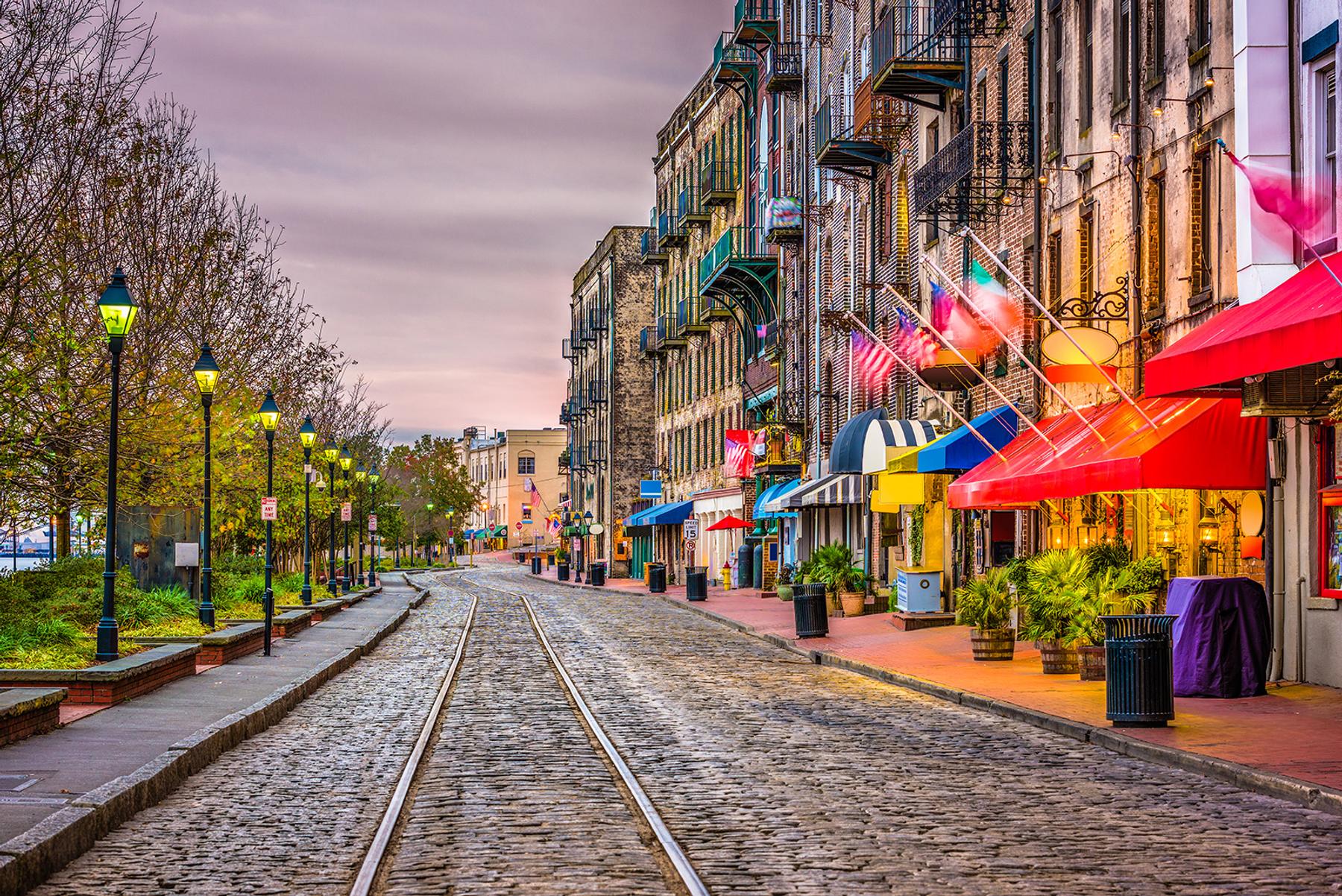
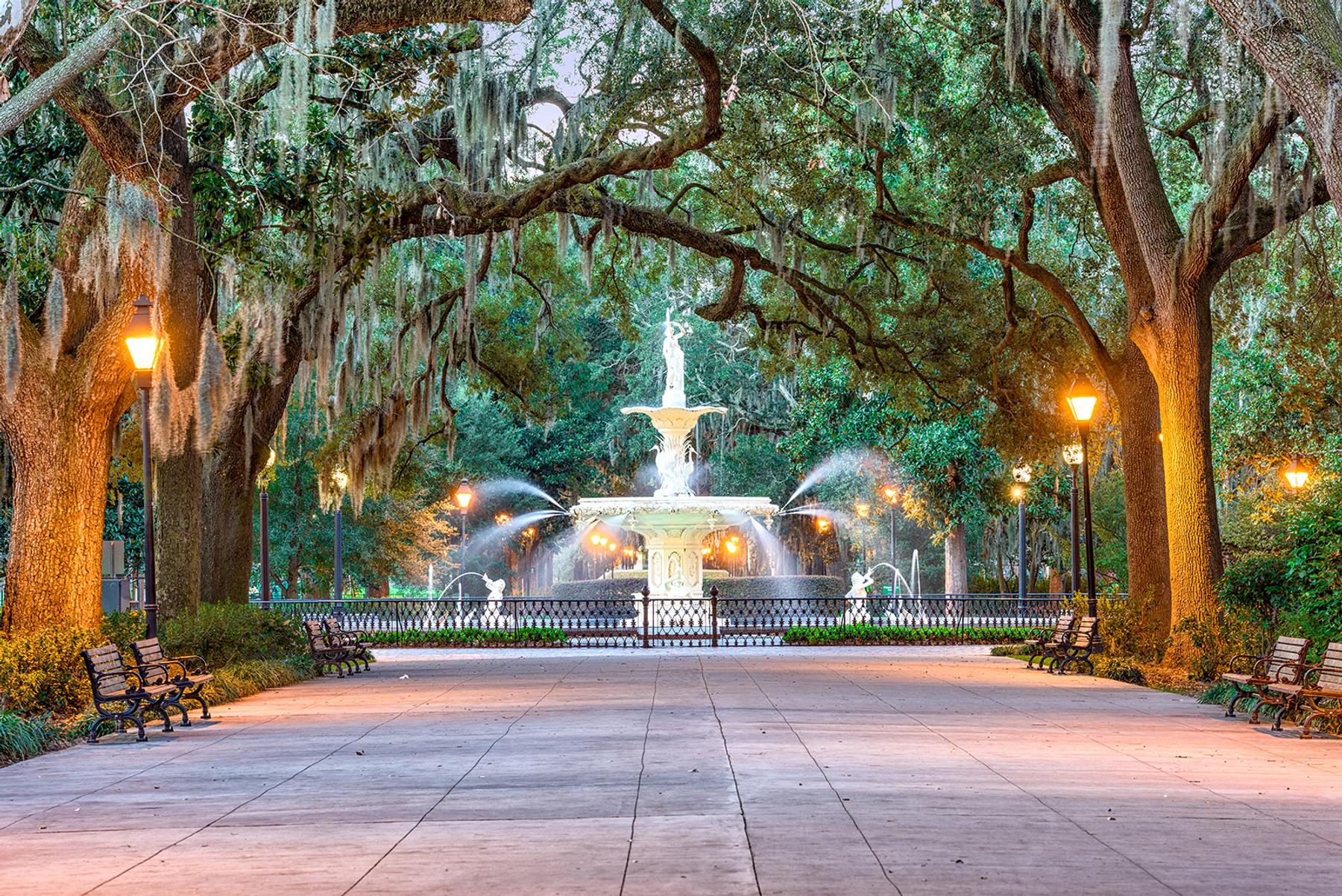
Savannah's case is different because what survived is the plan itself. Oglethorpe laid out wards around public squares in 1733, the city kept adding them until there were twenty-four by 1851, and twenty-two are in place today after Ellis Square was reclaimed from a parking garage in 2010. Walking it, you hit a square every couple of blocks, which slows traffic, breaks the grid and makes a hot city walkable. Civil engineers have honored the layout as a landmark of its kind, and it works as well now as it did before cars.
The third factor is that this region industrialized and suburbanized at different times, so the housing stock varies by decades rather than centuries. Old Louisville went up in the 1870s and after as a streetcar suburb for the newly wealthy, which is why it is Richardsonian and Queen Anne rather than Federal. Richmond's Fan filled in between roughly 1890 and 1930 as the city pushed west. Both are the same idea as Charleston, thirty to a hundred years later and in a different vocabulary.
The fourth thing is money, and it is not a comfortable subject. Charleston, Savannah and Mobile were built with wealth from slavery and from the trade in rice, cotton and timber that slavery produced, and the grandest houses on these streets are the most direct product of it. Charleston's Old Slave Mart Museum sits four blocks from the Battery. Any honest walk through these districts includes that, and the museums here increasingly lead with it rather than footnote it.
Where to Go
Charleston: South of Broad and the Battery
The peninsula's southern tip, where Meeting, Church and Tradd streets hold the highest concentration of pre-war housing in the city. White Point Garden and the Battery seawall close the walk at the water. Rainbow Row on East Bay is the photograph everyone takes and is best before nine.
Savannah: the Historic District squares
Start at Chippewa or Madison and work north. Jones Street is the most photographed residential block, Monterey and Lafayette squares are the prettiest, and Forsyth Park at the south end is where the district ends and the city takes over.
Louisville: Old Louisville
Third Street and St. James Court are the core, with the Belgravia and Fountain courts running as pedestrian walkways between them. Conrad-Caldwell House on St. James is the interior worth booking. The neighborhood is genuinely large, so pick a quadrant rather than trying for all of it.
Richmond: the Fan District
Named for the way its streets splay westward from Monroe Park. Monument Avenue runs through it, and the pedestals there have been a live public argument for years, which is part of what makes the district interesting rather than a distraction from it. Hanover and Grove avenues are the best residential walking.
Mobile: Oakleigh Garden District
A compact grid of Creole cottages, Greek Revival and Victorian houses near downtown, on the National Register since 1972. The Oakleigh House Museum anchors it and Washington Square is the shaded middle. An hour and a half covers it comfortably.
When to Go
The rankings say year-round and the buildings are always there, but the Southeast has a genuine comfort season and it is not summer. March, April, October and November are the months to aim for. Charleston and Savannah in late March are close to perfect, with azaleas out and temperatures in the seventies.
Spring is also house tour season, which is the only reliable way to see interiors. Charleston's Festival of Houses and Gardens runs in March and April, Savannah has its own tour in spring, and Old Louisville and the Fan both run holiday tours in December. If seeing inside matters, plan the trip around a tour calendar rather than hoping.
June through early September is hot and humid in all five, and Mobile and Savannah are the worst of it. Afternoon thunderstorms are routine. Hurricane season runs June through November with the peak in late August and September, which is worth knowing for Charleston, Savannah and Mobile in particular. Winter is mild, cheap and underrated, especially in Charleston, where a January walk is more pleasant than a July one by a wide margin.
What to Watch Out For
These are homes. Charleston's residents in particular have been dealing with visitors on their doorsteps for decades, and the polite conventions are simple: stay off the piazzas and steps, do not photograph through windows, and keep group tours to the sidewalk. Several Charleston streets now have restrictions on tour groups for exactly this reason.
Carriage tours are the standard way people see Charleston and Savannah, and they are worth thinking about. They cover ground efficiently and the narration is often good, but the horses work in heat that regularly exceeds ninety degrees. Both cities have temperature rules that suspend tours, and walking gets you into the small streets carriages cannot enter anyway.
The interpretation gap is real. Outside of the museum houses, most of what you walk past is unlabeled, and the story you get from a general tour can be thin on who built these places and who was enslaved in them. Pair the walk with a specific site. The Old Slave Mart in Charleston, the Owens-Thomas House slave quarters in Savannah, and the Black History Museum in Richmond all do this work properly.
Mobile is the outlier in this group and should be treated as such. It is a genuinely good small district, not a two-day destination, and it makes most sense as a stop on a Gulf Coast drive rather than a trip of its own.
Who This Is (and Isn't) For
Slow walkers, house people and anyone with an interest in American architecture will get more out of these five than out of almost any other sub-region, and the two headline cities deserve their scores. It also suits travelers who want history handled honestly, because the good museums here have moved a long way in the last decade.
Anyone traveling in July and August should think hard about it, since the heat genuinely limits how long you can be outside. It offers little for children beyond the parks and the horses. And travelers hoping to tour house interiors on a whim will be frustrated, because outside tour season most of these doors stay shut.